Comprando por combos te sale más económico COMBOS - Ahorras hasta un 30% OFF!
Hunting Blind Downtime: The Balloon Boom Slot Outdoor Tradition in the UK

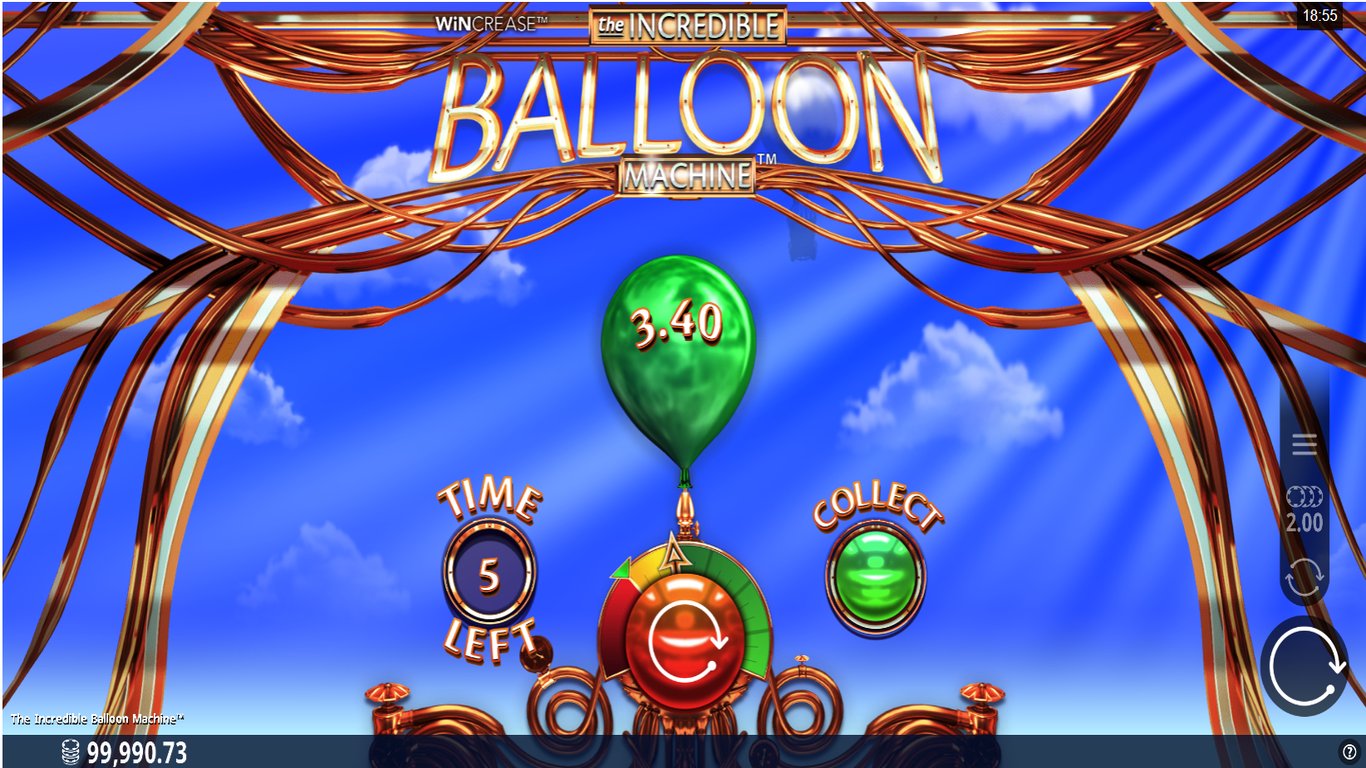
Throughout the British countryside, from the rolling fields to the dense woodlands, something understated is shifting in the way hunters prepare balloonboom.net. The traditional image of a figure sitting motionless in a blind is now often paired with a small, glowing screen. A modern pastime has become ingrained during those lengthy hours of waiting: mobile slot gaming. This combination of old tradition and new technology shows up clearly in the growing use of games like the Balloon Boom slot. For hunters from the Scottish Highlands to the Devon moors, those still hours of anticipation have discovered a new rhythm. Downtime is no longer just about silence and observing. It has developed into a chance for a mental break, a way to hold the mind active without disrupting the deliberate stillness a successful hunt requires. This new practice is gently reshaping the nature of the hunt itself.
The Development of the English Hunting Blind
The shooting blind, or hide, is part of the history of UK outdoor life. For years, these constructions—ranging from simple canvas wraps to solid wooden frames—have served as a shooter’s concealment. Their job has always been concealment, providing a glimpse of the outdoors while hiding the occupant. Waiting in the blind used to mean a meditative, intense focus, disturbed only by natural sounds. The advent of the mobile phone has transformed the character of that stillness. The hide has moved from a place of pure outward looking to a sort of mixed environment. In this personal space, the physical patience of hunting now sits alongside the rapid, bright buzz of online gaming. It’s a space made for quick, isolated periods.
This transformation mirrors a larger evolution in how we handle solitude and patience. The modern hunter, equally committed as previous generations, brings different tools to the stillness. The mobile device, previously viewed as a possible distraction for its lights and sounds, is now deliberately handled as an aid for the downtime. It remains on mute, with the screen dimmed, utilized in a fashion that adds to the experience rather than ruins it. Thus, the shooting blind has turned into a small reflection of our networked society, where old tradition meets modern distraction. This is not concerning rejecting heritage. It is an evolution, helping the practice keep its relevance for individuals who could have trouble with the constant, idle patience that was once standard.
The United Kingdom’s Particular Outdoor Culture and Tech Integration
Britain has a special relationship with its countryside, shaped by public rights of way, private land ownership, and long-established sporting traditions. Hunting here is hardly ever a lone frontier activity. It’s generally a managed pursuit, connected to land stewardship, conservation, and local community. This distinctive framework shapes how technology is introduced to the field. British hunters tend to be pragmatic and discreet. Any tech needs to be unobtrusive and demonstrate respect for both the environment and the spirit of the sport. Using a mobile game in a blind fits this pattern well. It’s a personal, silent activity that disrupts neither wildlife nor other hunters. It fits with a general British preference for reserved, private enjoyment, even during shared activities.
From the grouse moors of Yorkshire to the pigeon shoots of East Anglia, the culture strikes a balance between deep-rooted tradition with a calm acceptance of useful modernity. You may find a hunter using a digital mapping app to navigate permissions right after checking a worn paper map. Bringing slot gaming into the mix is merely another step in this pattern. It solves a human problem—the creep of boredom—with a modern tool, without changing the core reason for being outdoors. This smooth blending is common in the UK’s approach. The pastime evolves in its substance while keeping the form and respect of the tradition. It reveals a flexible, undogmatic view of what’s acceptable during the hunt’s quieter phases.
Comprehending “Downtime” in Contemporary Hunting
To someone who doesn’t hunt, the activity might seem constant. The reality is it’s defined by deep stretches of doing nothing. This downtime isn’t dead time. It’s a strategic, essential part of the process. Animals shift during these lulls, patterns emerge, chances appear. But keeping sharp attention through these periods is a well-documented mental challenge. A mind left completely idle can slip into boredom or fatigue, which ironically undermines the awareness the hunter needs. This is why a deliberate mental break counts. A brief, engaging distraction can work like a cognitive reset, restoring focus and halting the senses from becoming dull from pure monotony.
In the UK, where hunting often ties into detailed land and species management, these waits can be particularly long. Whether you’re looking for ducks at dawn on a Norfolk broad or for deer at dusk in a Perthshire forest, the environment demands absolute stillness. The modern answer, from what I’ve seen, isn’t to battle the wait but to manage it with strategy. Playing a rapid, visually bright game on a phone offers a controlled mental escape. The trick is selecting something immersive but easy to pause—an activity you can pause the instant a rustle in the bushes or a shape against the sky demands your full attention. This balanced approach transforms downtime from a test of endurance into an actively managed part of the ritual, which can enhance overall patience and readiness.
Useful Benefits and Thoughts for Outdoorsmen
Adding a new element to a hunting practice involves weighing its real-world impacts. From my conversations and findings, using titles like Balloon Boom slot during breaks offers multiple clear gains. Firstly, it helps with prolonged focus. By permitting a planned mental break, it counters focus fatigue. A hunter can return to surveying the environment with fresher eyes. Second, it controls the feeling of passage. Extended stretches seem more drawn out when you keep looking at the timepiece. An engaging diversion causes time elapse more quickly in your mind, rendering a long stakeout more endurable over several hours or a full 24-hour period.
But this practice comes with rigid protocols that any conscientious sportsman has to follow. Discipline is key. The game must under no circumstances come before the stalking. That demands a few non-negotiable protocols.
- The device stays on mute, with buzzing disabled.
- Brightness illumination is reduced to the very bare minimum to prevent light escaping from the cover.
- Headsets are essential if any audio audio is active, and the sound level must remain quiet to keep attentiveness of surroundings.
- The action must end instantly. The phone is put down the second an animal is spotted or a unusual sound is heard.
When outdoorsmen stick to these rules, the title benefits the tracking, not the reverse. It transforms into a tool for maintaining preparedness, akin to how a warm flask of beverage is a help for remaining heated on a frosty dawn stakeout.
Balloon Boom Slot: A Great Choice for the Hunting Blind
The unique structure of the Balloon Boom game makes it an unexpectedly great fit for a blind. Unlike games with complex stories or deep strategy, a slots game runs on simplicity and immediate feedback. The basic cycle is basic: spin the reels, observe, respond. It asks very little mental effort to operate but offers an intense sensory experience through bright colours, satisfying sounds (using headphones), and the possibility of winning. For a person in a blind in the blind, this becomes the perfect type of diversion. It doesn’t demand deep planning or dedication. A playing session can last two minutes or twenty, and you can stop instantly without missing a beat or affecting your approach.
Furthermore, the design of Balloon Boom—the balloon pops, the vibrant graphics—creates a stark and refreshing contrast to the muted greens and browns of the natural world outside the blind. This difference is good for the mind. It offers a complete shift in mental landscape without moving physically. The layout of the game, with its extra rounds and immediate prize mechanics, delivers small doses of thrill that help pass the time. I view it as an electronic version of a talisman or a nervous habit, like whittling wood, but it’s contained in a device already carried for safety and directions. The fit feels so natural that it has become a topic of discussion in hunting communities, a suggested trick for handling the mental grind of the downtime.
Social View and the Shift in Custom
Any modification to established custom sparks discussions in its circles. A conservative might see a outdoorsman glancing at a mobile in a stand and believe it shows a lack of seriousness or regard. The truth I’ve observed is more nuanced. With younger sportsmen and those who go out frequently, the practice is more commonly regarded as a smart, private approach. The brand is waning as folks recognize its usefulness. Approval hinges on prudence and accountability. A sportsman who is accomplished, secure, and considerate of the prey and the ground will usually have their approaches evaluated by outcomes, not by old preconceptions.
This shift mirrors larger transformations in how we think attention and focus. The tactic of diverting your mind temporarily to refocus it afterward is a recognised psychological approach. In British field sports groups, the debate is hardly about if tech has a place in the outdoors nowadays—premium optics, thermal spotters, and GPS are already standard. The focus is more focused on how technology is employed. Incorporating mobile games is simply the next phase in that progression. It’s developing into a novel, casual custom, a private ceremony within the larger frame of the hunting expedition. Stories get shared not solely about the day’s harvest, but about a lucky win on a slot title during a quiet afternoon, introducing a new dimension of current mythology to the ancient art of patience in nature.
Future Outlook: Merging Heritage with Modern Trends
The path seems set. The crossover between outdoor traditions and digital gaming will likely increase. The particular game might shift—today it’s Balloon Boom, tomorrow it could be something else—but the underlying behaviour is emerging as a constant. We might even see game developers notice this niche audience. They could introduce features or modes designed for periodic, focus-friendly use. Consider a “hunter mode” with more subdued colours or a simple pause function. The hunting gear industry might respond too, with blind designs that include hidden phone holders or solar-powered charging ports, weaving the need right into the gear.
For the UK, a country that cherishes its outdoor traditions while also being a worldwide player in creative and tech industries, this blend feels fitting. It suggests a future where custom isn’t a fossil but a evolving practice that adjusts. The core of the pursuit—the patience, the expertise, the reverence for nature and conservation—stays completely preserved. What changes is the set of tools for aiding the human mind performing this intense activity. So the hunting blind becomes a unique kind of threshold. It’s not just a shield between hunter and quarry any longer. It’s a small portal where the ageless patience of the field meets the quick, exploding thrill of a digital balloon, creating a truly modern kind of British outdoor adventure.